 August 29, 2026
Is Local SEO for E Commerce Worth It in Raleigh NC?
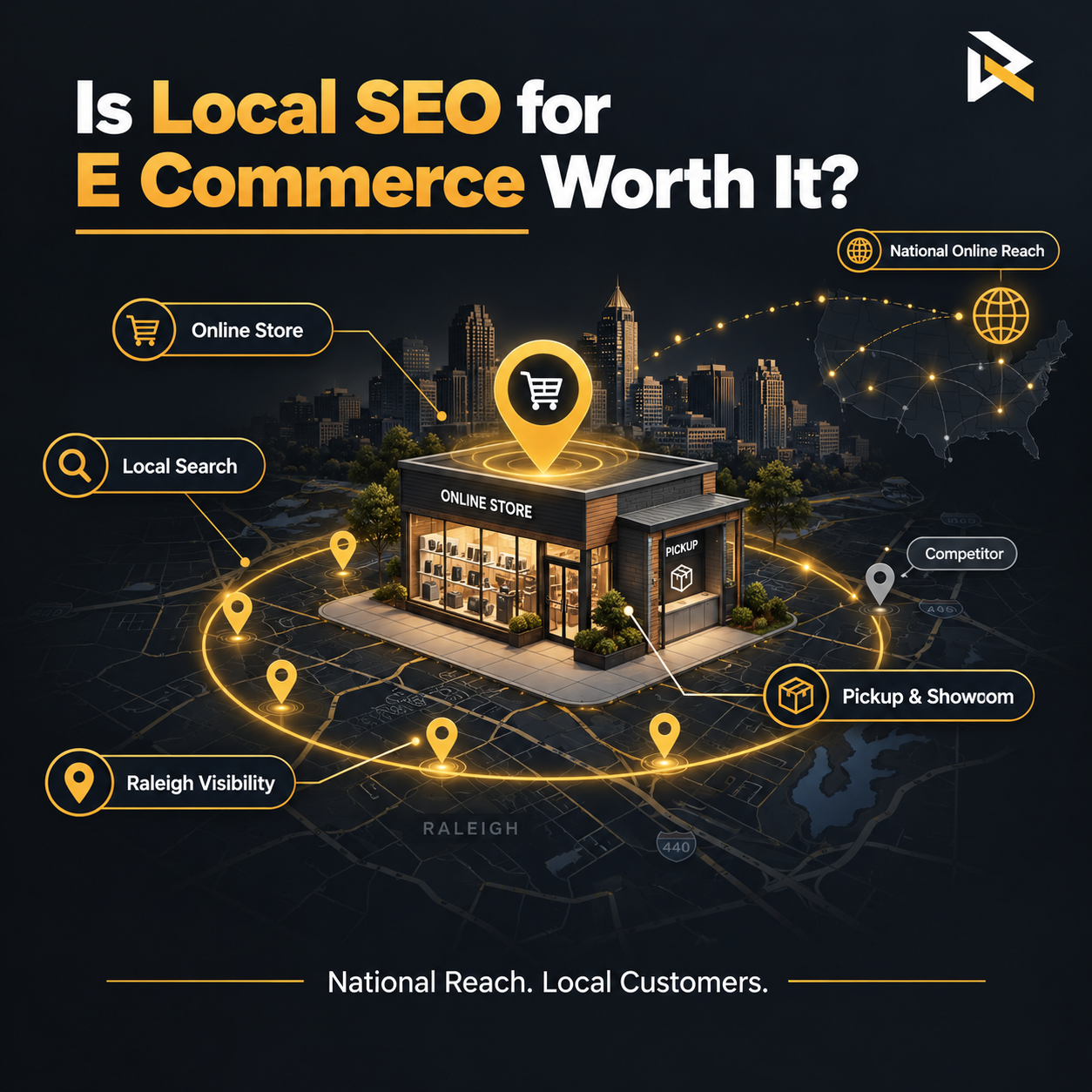
Local SEO for e-commerce means optimizing your Google Business Profile, location pages, and reviews so an online store with a real presence in a city — a warehouse, a showroom, or a pickup counter — shows up when someone nearby searches for what you sell. It works because online shoppers still search "near me" more often than most store owners assume.
Most online sellers focus entirely on national visibility and never think to check whether their own city can even find them. That blind spot tends to cost more revenue than owners realize until a competitor quietly starts claiming it instead.
The Raleigh Store That Almost Skipped It
A home decor brand in Raleigh sold nationwide through its website and figured local search had nothing to offer a business shipping to every state. Then a competitor two miles away started showing up in the map pack for "home decor store raleigh," a search the first company never bothered to target.
Foot traffic to their small showroom dropped. Local press stopped mentioning them. A handful of Raleigh customers who preferred to pick up in person quietly switched to the competitor instead. Nothing about their national sales changed, yet a real slice of local revenue disappeared simply because nobody was looking for them locally.
What Local SEO for E-Commerce Actually Involves
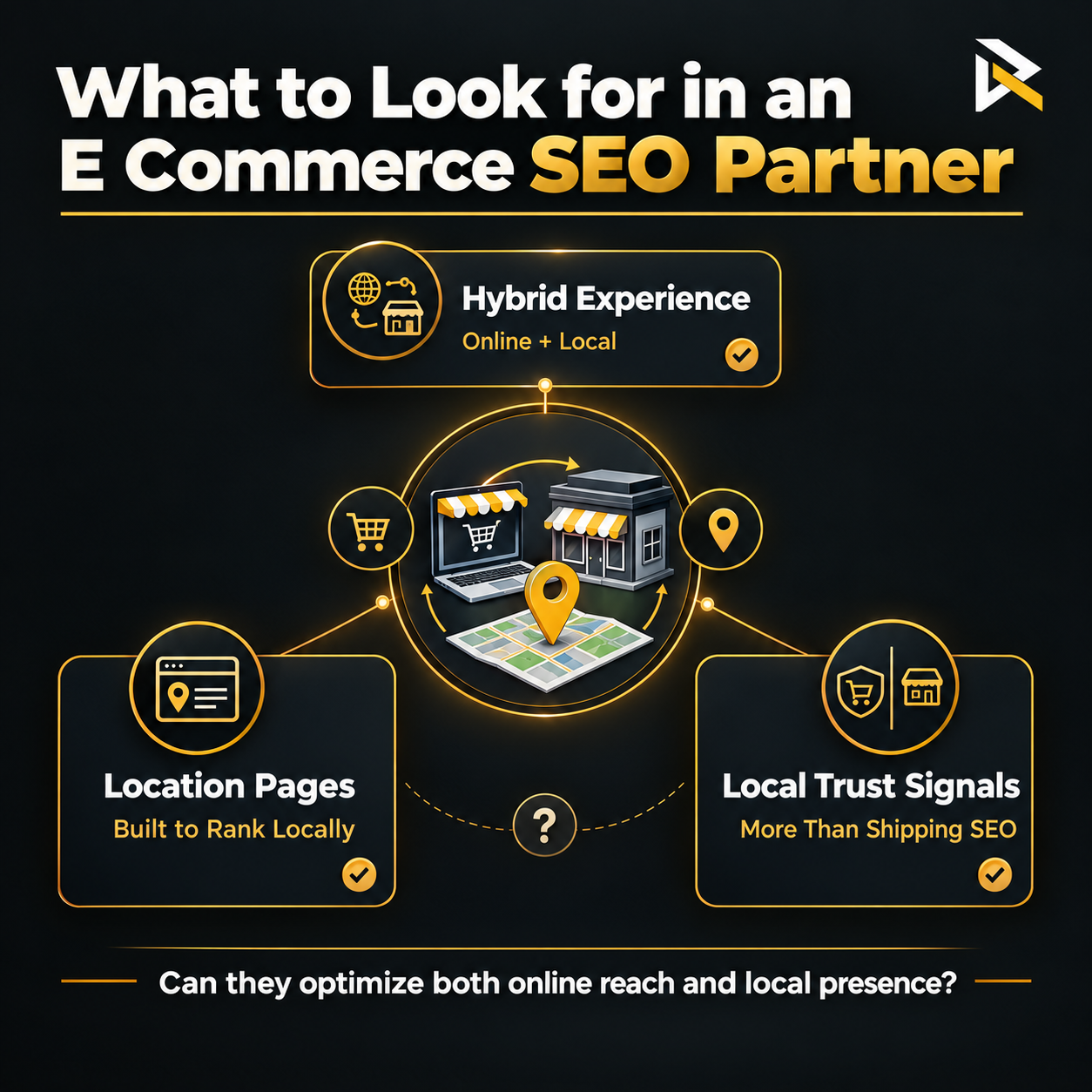
This is different from typical national SEO work, and different again from a purely local business with one storefront and no online sales:
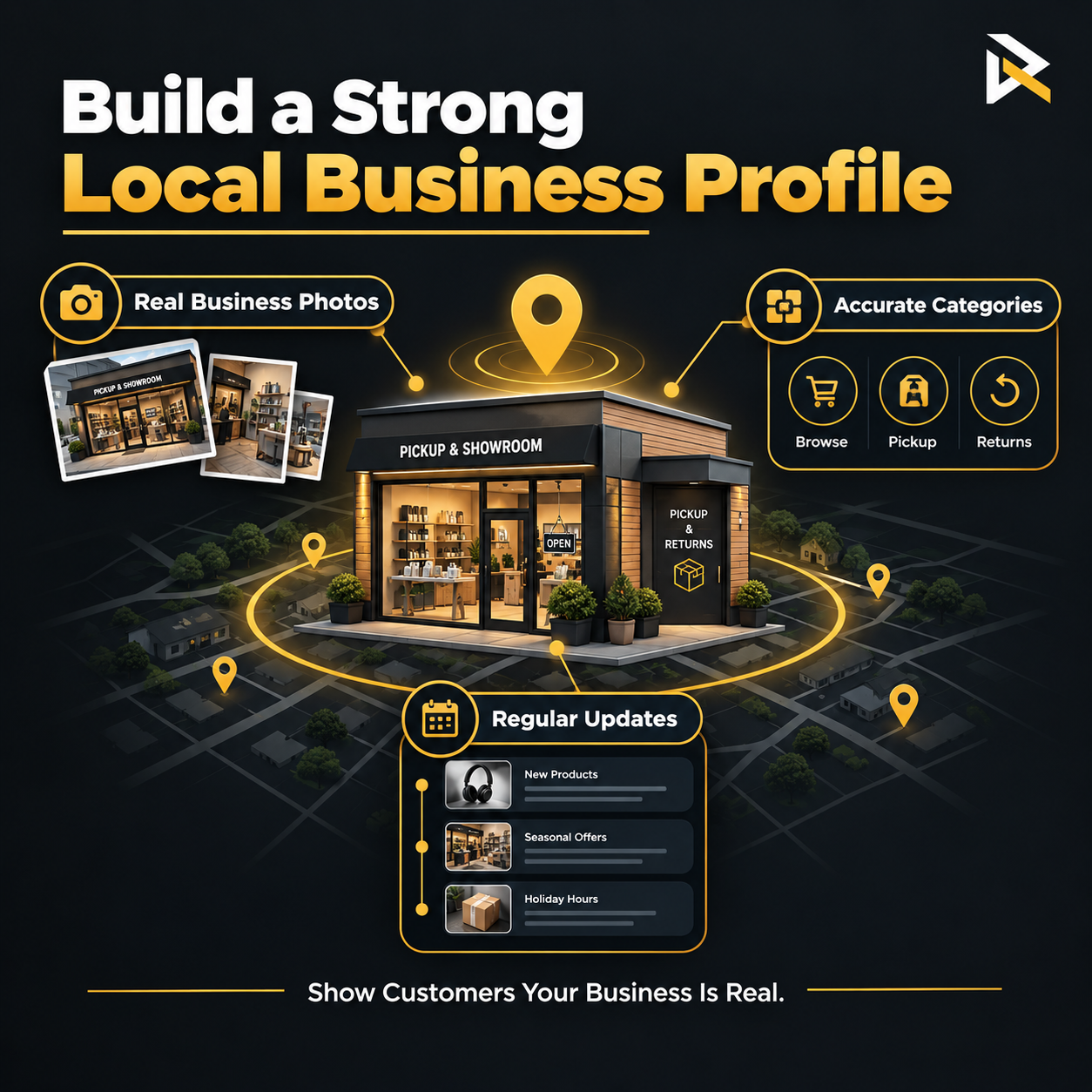
- A Google Business Profile listing the physical location, hours, and pickup or showroom details
- City and neighborhood specific landing pages built around products people search for locally
- Reviews that mention the physical experience, not just shipping speed or product quality
- Local press mentions, sponsorships, or community ties that build the kind of trust a national campaign rarely earns
Why SEO for E-Commerce Isn't Enough on Its Own
Standard e-commerce SEO work usually focuses on product pages, category structure, and site speed. None of it touches how a business shows up when someone types a city name into the search box. A perfectly optimized product page can rank nationally while the business itself stays invisible to a Raleigh shopper searching with local intent.
Local SEO Services Raleigh Businesses Actually Need
The starting point looks the same for almost every online seller with a real Raleigh footprint:
- Claiming and fully completing a Google Business Profile tied to the real Raleigh address.
- Building at least one page that speaks directly to Raleigh customers, mentioning real neighborhoods like Cameron Village or North Hills.
- Asking Raleigh based customers specifically for reviews that mention picking up or visiting in person.
How Local SEO Differs by Neighborhood
This kind of work should never treat the whole city as one block. Downtown Raleigh shoppers search differently than someone in Cary or Apex looking for the same product. A furniture brand near Glenwood South competes with a very different set of local businesses than one operating out of a warehouse near the beltline.
Local Backlinks Most Online Stores Never Chase
National e-commerce brands chase backlinks from big publications and product review sites, which is fine, but it skips an entire category of links a hybrid business can earn far more easily: a mention from the Raleigh chamber of commerce, a sponsorship listed on a local nonprofit's site, or a feature in a neighborhood newsletter.
Frequently Asked Questions
Does this apply if my store ships nationwide?
Yes, local SEO for e-commerce still helps capture nearby shoppers who prefer pickup, returns, or seeing a product in person before buying online.
How long before local rankings improve for an online store?
Most hybrid businesses see initial movement within two to four months, faster than typical national e-commerce SEO timelines.
Is local SEO worth it for a business with no storefront?
It depends on whether any physical touchpoint exists — a warehouse, a pickup counter, or a shared office — since this approach needs a real location to anchor around.
What is the difference between e-commerce SEO and local SEO?
Standard e-commerce optimization targets national or global product searches, while local SEO for e-commerce focuses specifically on nearby shoppers searching with a city or neighborhood in mind.
Curious what this could look like for your Raleigh business specifically? Get in touch with The RankHive to start with a straightforward review.
Recent Posts
 September 09, 2026
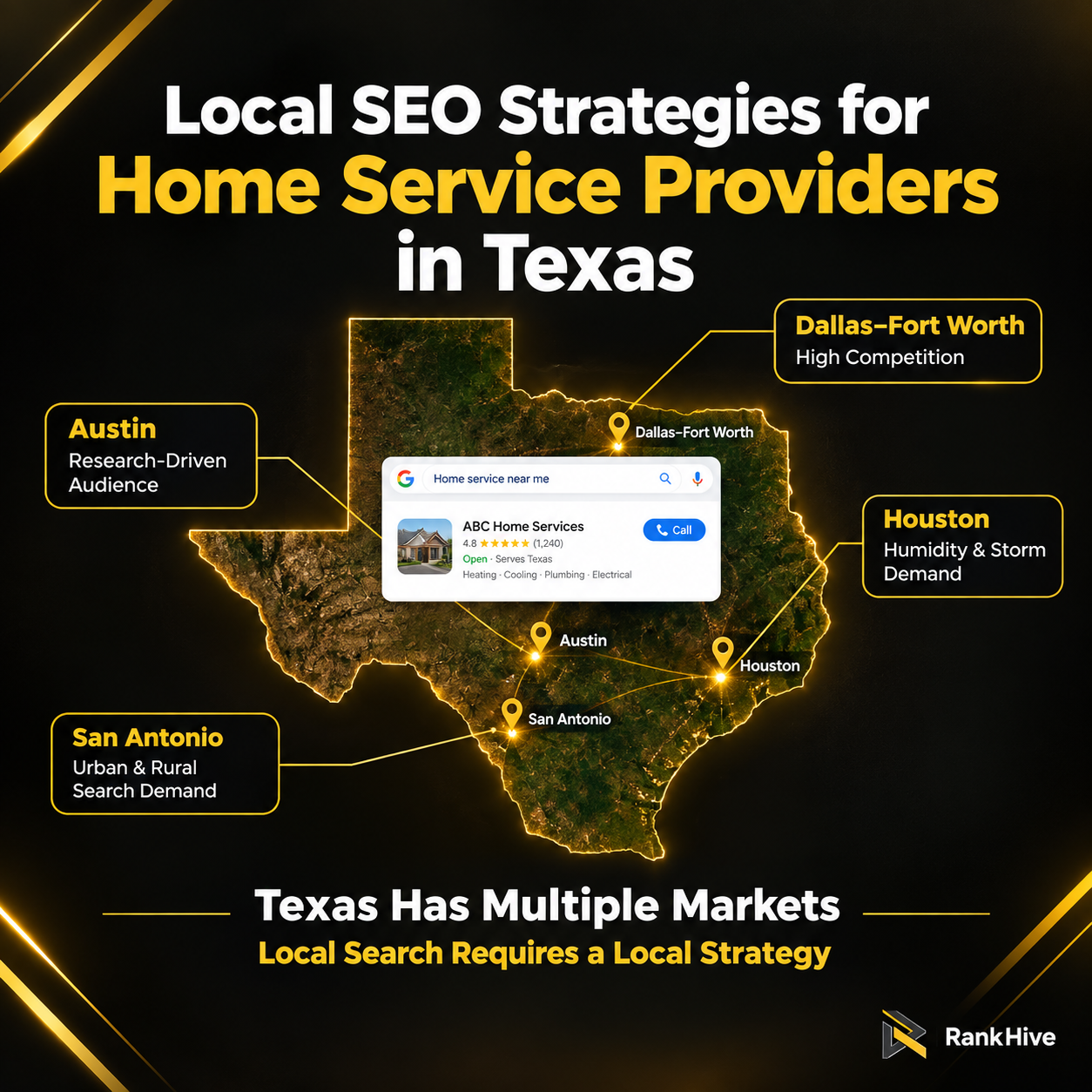
Local SEO Strategies for Home Service Providers in Texas
Local SEO strategies for home service providers in Texas help HVAC, plumbing, and roofing companies rank higher, appear on Maps, and win more local calls.
Read More
 September 07, 2026
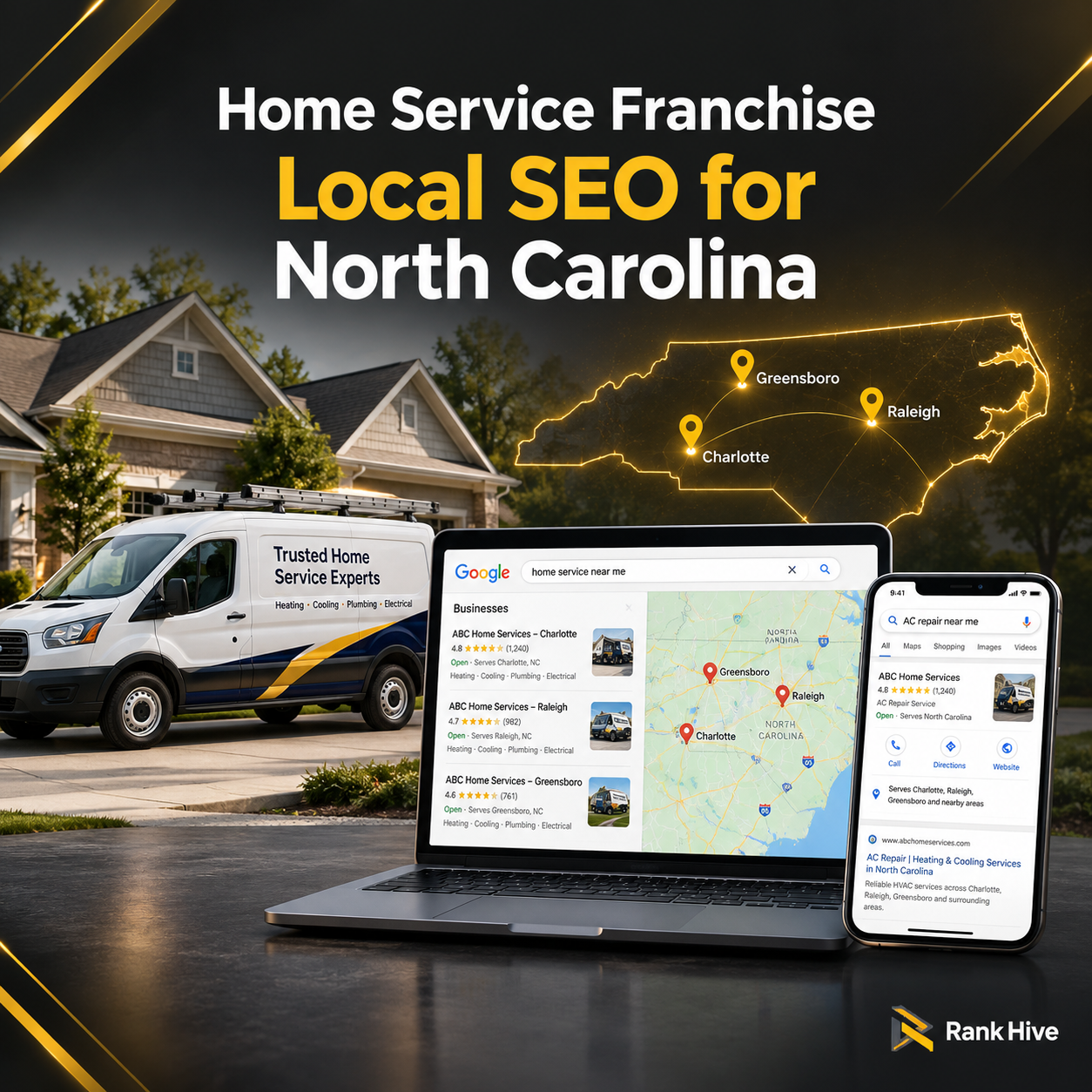
Home Service Franchise Local SEO for North Carolina
Home service franchise local SEO helps North Carolina multi-location brands rank higher, dominate Google Maps, and turn nearby searches into real calls.
Read More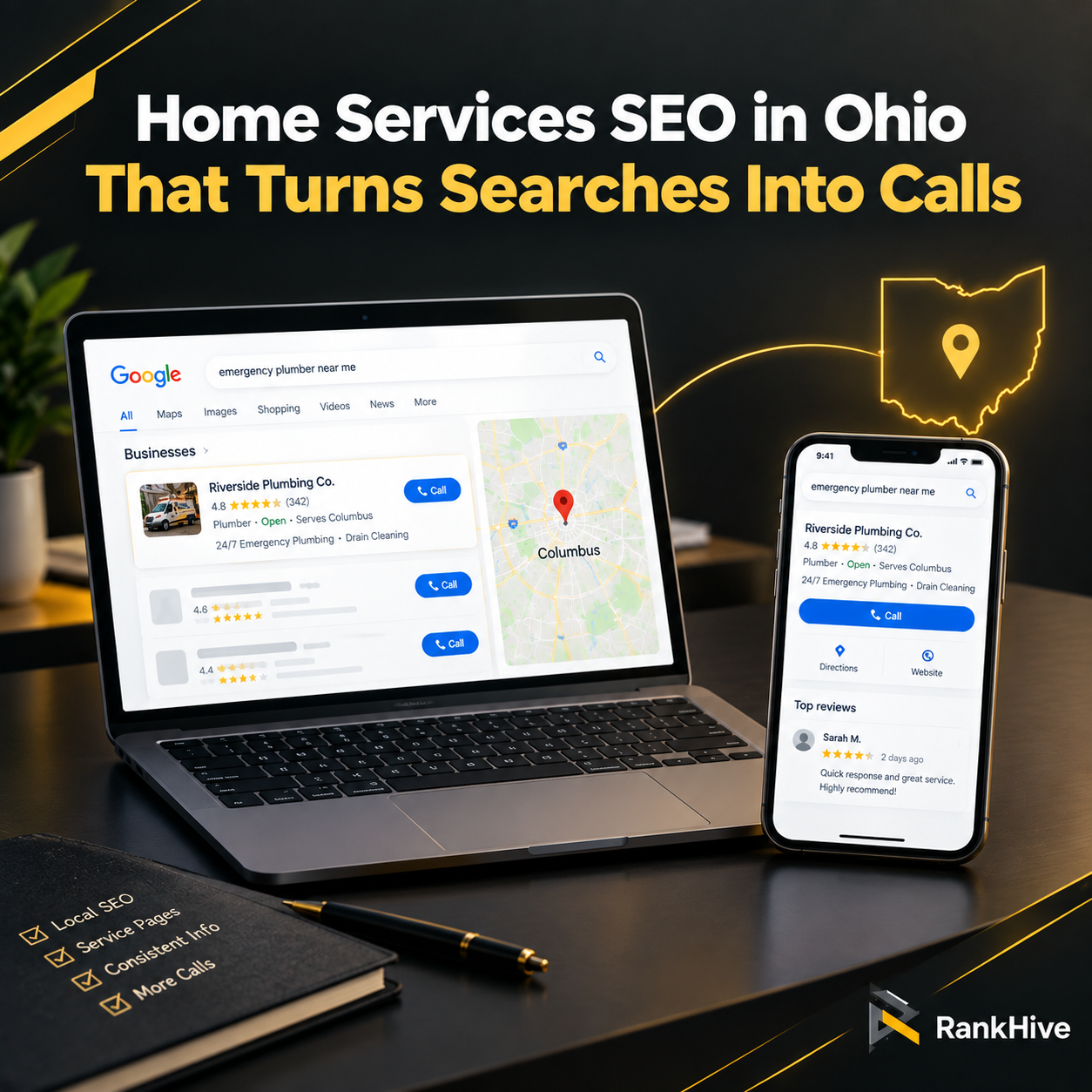 September 05, 2026
Home Services SEO in Ohio That Turns Searches Into Calls
Home services SEO helps Ohio HVAC, plumbing, roofing, and cleaning companies rank higher on Google, show up on Maps, and win more local calls year-round.
Read More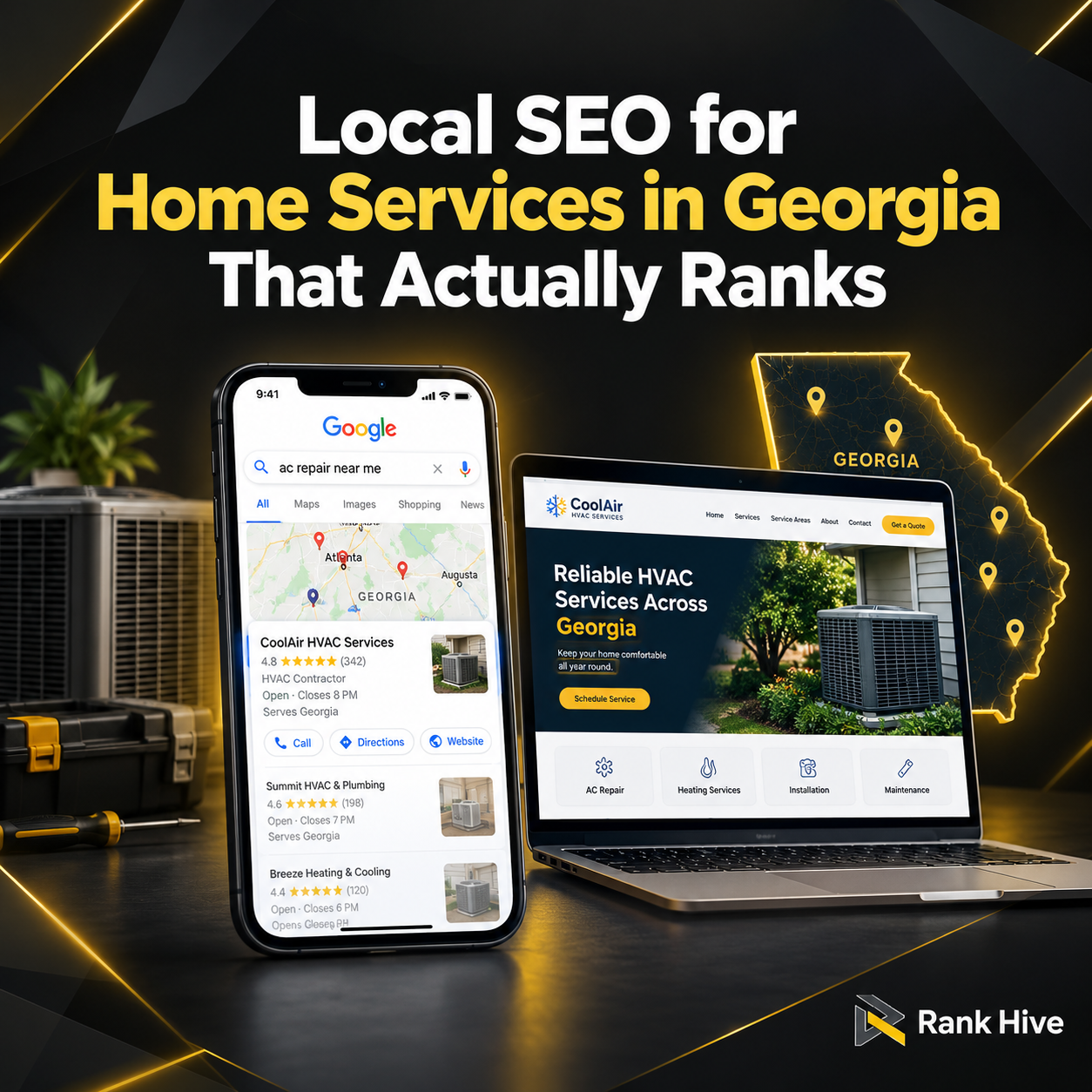 September 02, 2026
Local SEO for Home Services in Georgia That Actually Ranks
Local SEO for home services helps Georgia HVAC, plumbing, roofing, and electrical companies rank higher, get found nearby, and win more calls this season.
Read More